THE LABEL
Look for an address and a list
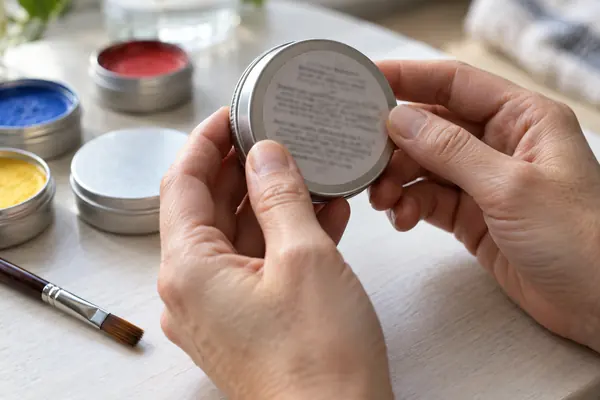
UK rules say a cosmetic must show a UK responsible person's name and address, an ingredients list, a best-before or period-after-opening mark and any precautions.
Check a product doodleonme
Start
WHAT THE GUIDANCE SAYS
Face paint is a cosmetic, and the label should prove it.

Halloween, fêtes and festivals all mean paint on skin. UK and US safety guidance comes back to three habits: buy products made for skin, read what the label tells you, and try a dab on your arm first.
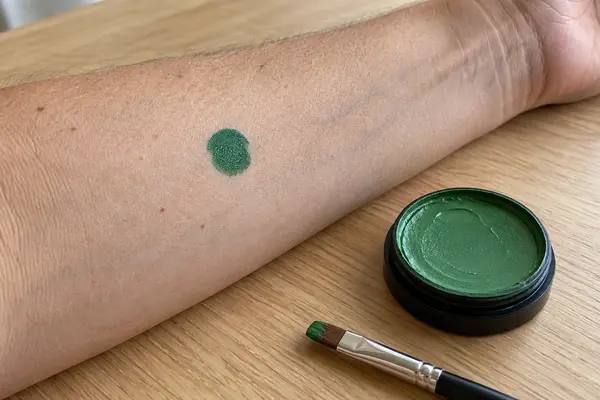
ARM FIRSTthen the face
Check a productKeep in mind
THE SHORT ANSWER
Most reactions are avoidable.
The label and a test dab do most of the work.
THE LABEL
UK rules say a cosmetic must show a UK responsible person's name and address, an ingredients list, a best-before or period-after-opening mark and any precautions.
Check a productPATCH TEST
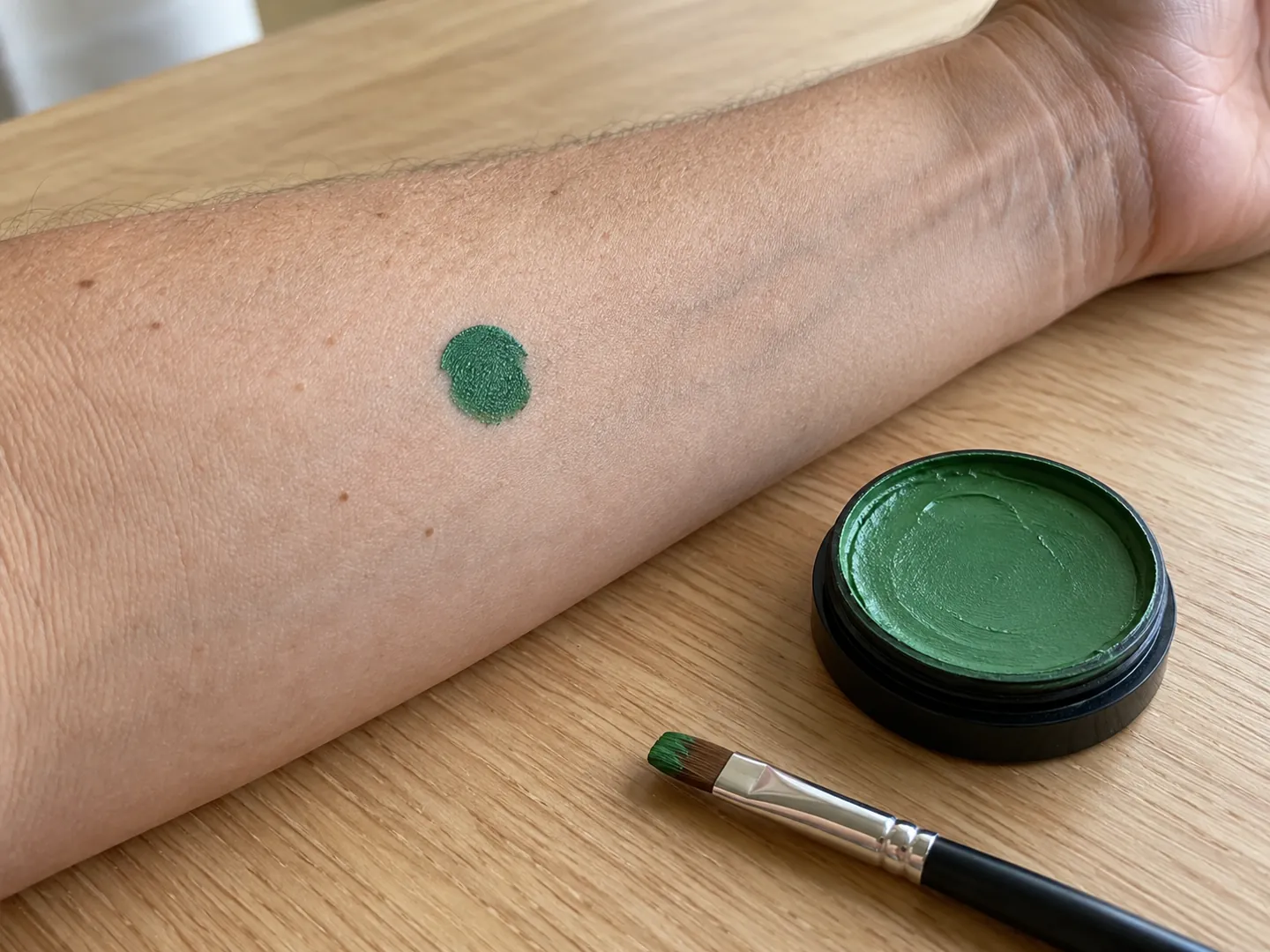
The US FDA suggests trying a new product on your arm for a couple of days before it goes on your face, especially if you tend to have allergies.
How to do itNEON PAINTS
Trading Standards warns that some neon paints from online sellers may contain banned colourants. Non-compliant ones have held lead or mercury.
See the numbersGeneral information only, not professional safety advice. If someone is in immediate danger, call the emergency services.
A QUICK PRODUCT CHECK
Pick a product to see how much checking the guidance suggests before it touches skin. The bar shows how strongly the guidance urges caution.
Based on Chartered Trading Standards Institute and US FDA consumer advice. General information, not personal medical advice.
TWO NUMBERS WORTH KNOWING
One figure from UK Trading Standards,
one from the US colour rules.
3 named
Colourants Trading Standards tells shoppers to check for
Solvent Yellow 172, CI 45161 (Basic Red 1:1) and CI 45174 (Basic Violet 11:1). CTSI says Solvent Yellow 172 is the banned colour officers find most often in neon cosmetics.
BANNED COLOURANTS · CTSI
0 of 8
Fluorescent colours approved in US cosmetics allowed near the eyes
The FDA says eight fluorescent colours are approved for cosmetics and none may be used near the eyes. The only glow-in-the-dark colour, luminescent zinc sulfide, is not for near the eyes either.
GLOWING COLOURS · US FDA
CTSI adds that non-compliant neon cosmetics have previously been found to contain lead, mercury and asbestos, and that “SFX” and “Professional Use Only” make-up must meet the same safety standards.
FOUR HABITS TO TRY
None of these costs anything. They follow the order the guidance suggests: choose the product, test it, apply it carefully and take it off properly.
Step 1
Look for the ingredients list and a UK name and address. If they are missing, choose another product.
Step 2
Try a small amount on the arm for a couple of days before painting a face, as the FDA suggests.
Step 3
Unless the label says a product can be used near the eyes, keep it away from them.
Step 4
Remove paint the way the label says, gently around the eyes. Throw away paint that smells very bad.
BEHIND THE LABEL
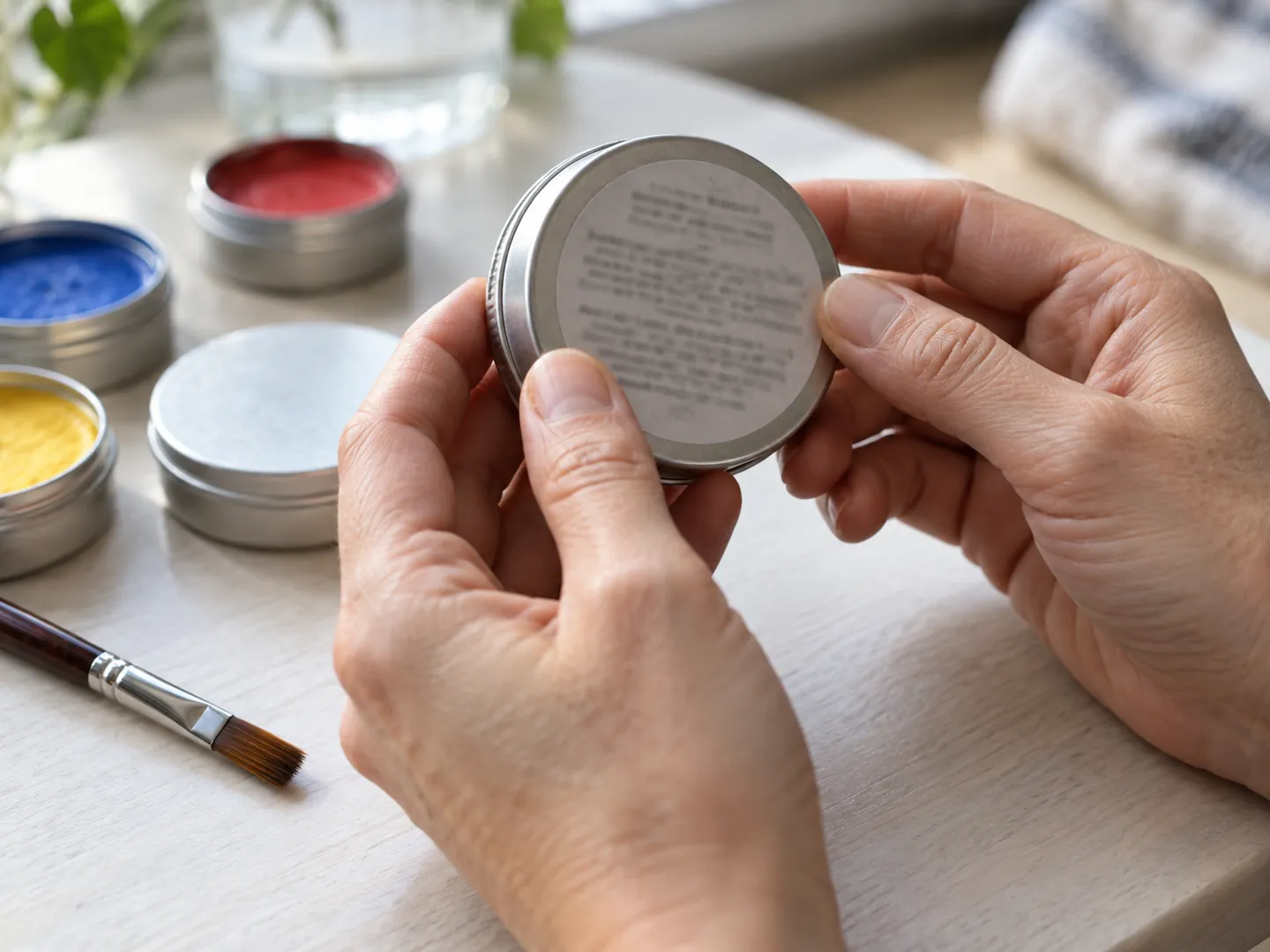
In Great Britain every cosmetic needs a Responsible Person with a UK address, not a PO box. They must keep a Product Information File, including a safety report from a qualified safety assessor, and notify the Office for Product Safety and Standards before the product is sold.
UK labels must show a best-before date when a product lasts 30 months or less, or an open-jar symbol with the months it can be used after opening. The ingredients list applies to professional products and free samples too.
Questions
Yes. The US FDA treats face paints and theatrical make-up as cosmetics, and UK Trading Standards says all cosmetics, including stage and film make-up, must be safety assessed before they are sold.
The FDA suggests putting a dab on your arm for a couple of days before using a new product on your face. It says this is especially sensible if you tend to have allergies.
The FDA advises against decorating your face with things that are not intended for skin. Trading Standards calls a “not for cosmetic use” label on a product sold for skin a major red flag.
The FDA says the darkening ingredient is often PPD, a hair-dye chemical that can cause dangerous skin reactions in some people. Henna itself is approved in the US only as a hair dye, not for direct use on skin.
Take it off the way the label says and seek advice if you are worried. In England and Wales you can report an unsafe cosmetic to the Citizens Advice consumer helpline on 0808 223 1133, which shares reports with Trading Standards.
Destination
Updated
ABOUT THIS NAME
doodleonme.com is part of the DoodleSale portfolio. It isn't in an auction right now, but you can ask about leasing it.